Shaping the future of coastal rewilding: insights from the REWRITE workshop in Nantes
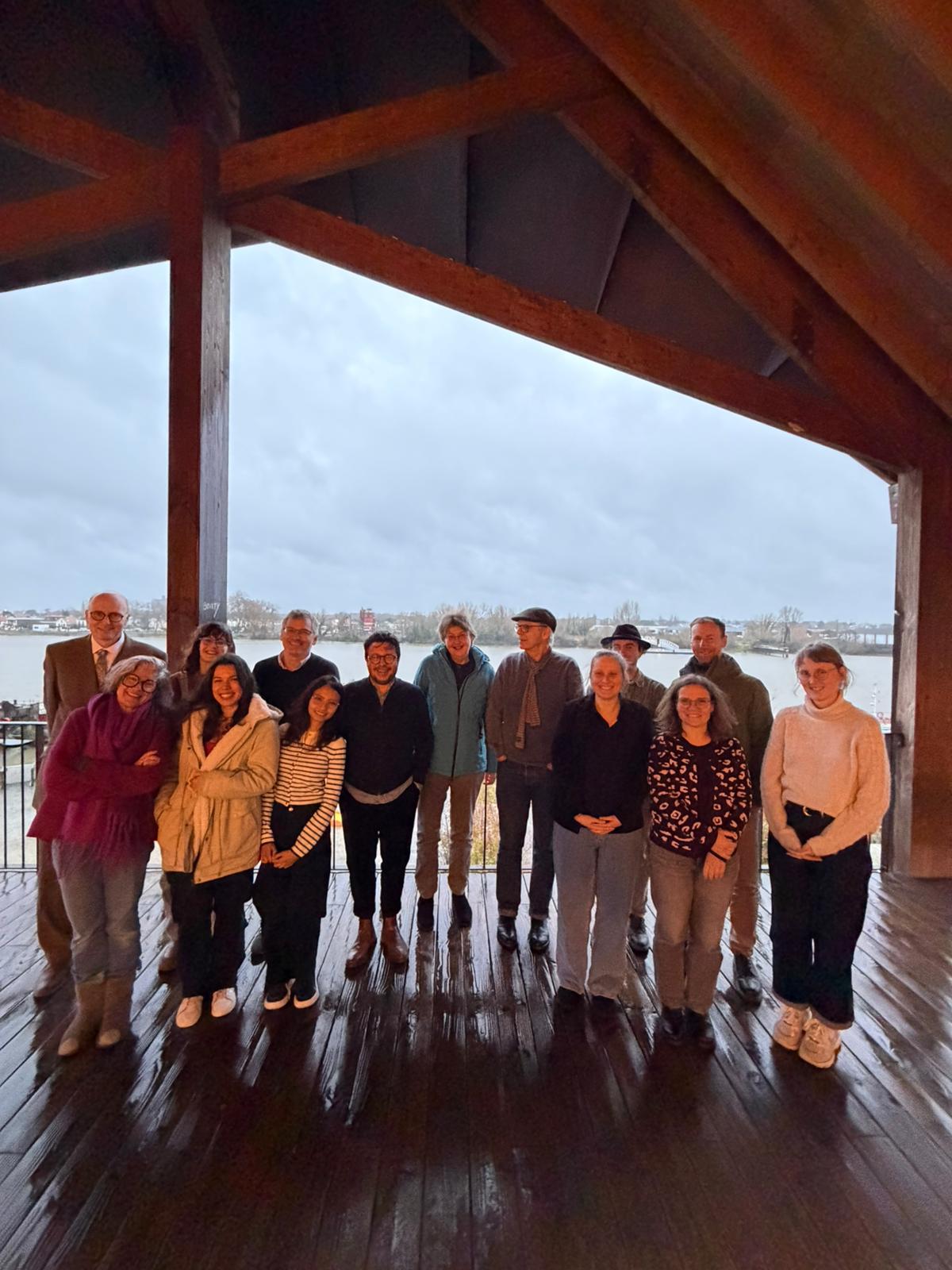
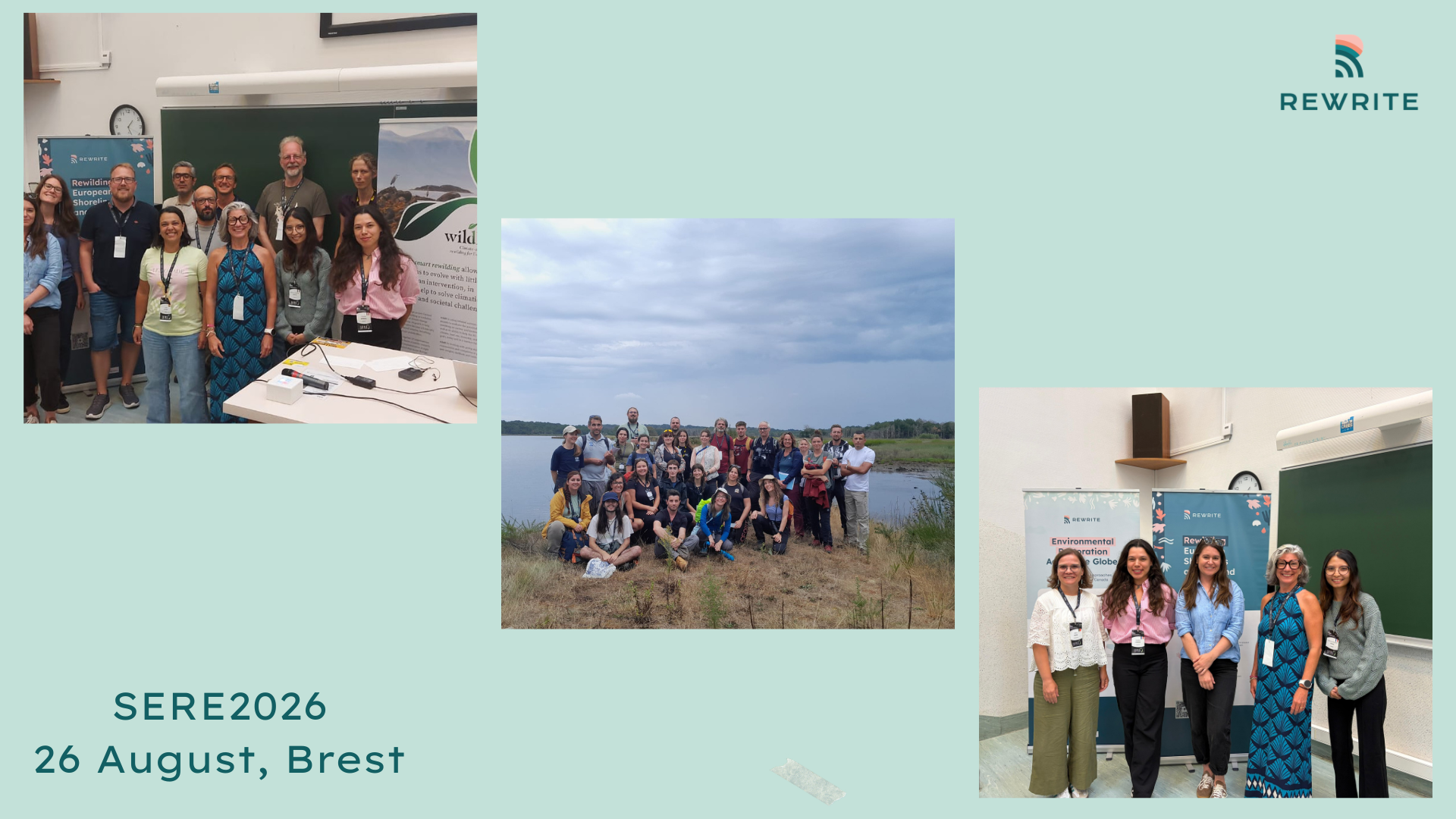
On 16 January, the leaders of the project’s Demonstrator Sites met in Nantes for a dedicated workshop focused on one key question: how can coastal rewilding be planned and discussed in a way that is credible, inclusive, and useful for the people who live and work along coasts?
The workshop marked an important step in moving from scientific investigation to real-world dialogue. Across Europe and North America, REWRITE’s DMs are testing how restoring natural coastal processes can strengthen biodiversity, climate resilience, and community wellbeing. To succeed at scale, these efforts need shared understanding, trust, and clear communication.
Putting stakeholders at the centre
A central theme of the discussion was stakeholder engagement. Coastal rewilding affects many interests, from local residents and land managers to policymakers, fishers, and businesses. The workshop focused on how REWRITE can support these conversations. Rather than acting as decision-makers, the project’s role is to facilitate dialogue and provide evidence. This means creating space for stakeholders to express their visions, priorities, and concerns, while ensuring that scientific knowledge and local experience inform one another. Participants agreed on the importance of documenting these perspectives carefully, not as opinions to be judged, but as essential inputs for realistic and socially grounded rewilding pathways.
This approach reflects a core REWRITE principle: rewilding is not only an ecological process, but also a social one.
Exploring futures through scenarios
The workshop also explored how scenario planning can help communities and decision-makers think about long-term change. Coastal systems evolve over decades, and climate impacts add further uncertainty. Scenario planning offers a way to explore different futures without pretending to predict them. The team discussed how visual tools such as maps, 3D images, and other data-driven visualisations can help make complex processes more tangible. These tools can support mutual learning, allowing scientists and stakeholders to explore questions together, from land-use choices to flood risk and habitat connectivity.
Thinking beyond isolated sites
Another key outcome of the workshop was a shared emphasis on scale. Rewilding isolated patches is rarely enough to deliver long-term resilience. Restoring natural processes requires looking at how different habitats interact, how much space they need, and how they function together under changing climate conditions. This systems perspective is central to REWRITE’s ambition. By comparing different Demonstrator Sites and connecting insights across regions, the project aims to contribute evidence on how coastal landscapes can be restored in ways that are both ecologically robust and socially viable.
From discussion to action
While the workshop covered a wide range of topics, its purpose was clear: to lay the groundwork for meaningful local workshops and stakeholder dialogues across REWRITE’s Demonstrator Sites in the coming months. By aligning principles, sharing tools, and reflecting together on challenges, the workshop helped ensure that these future engagements will be consistent, transparent, and grounded in both science and local realities.
As REWRITE continues, these conversations will be essential. Coastal rewilding is about choices, and good choices depend on open dialogue, shared evidence, and a clear understanding of what is at stake, for nature, for climate, and for people.