REWRITE Annual Meeting 2026 Celebrates Scientific Progress, Artistic Expression and Coastal Rewilding in Cádiz
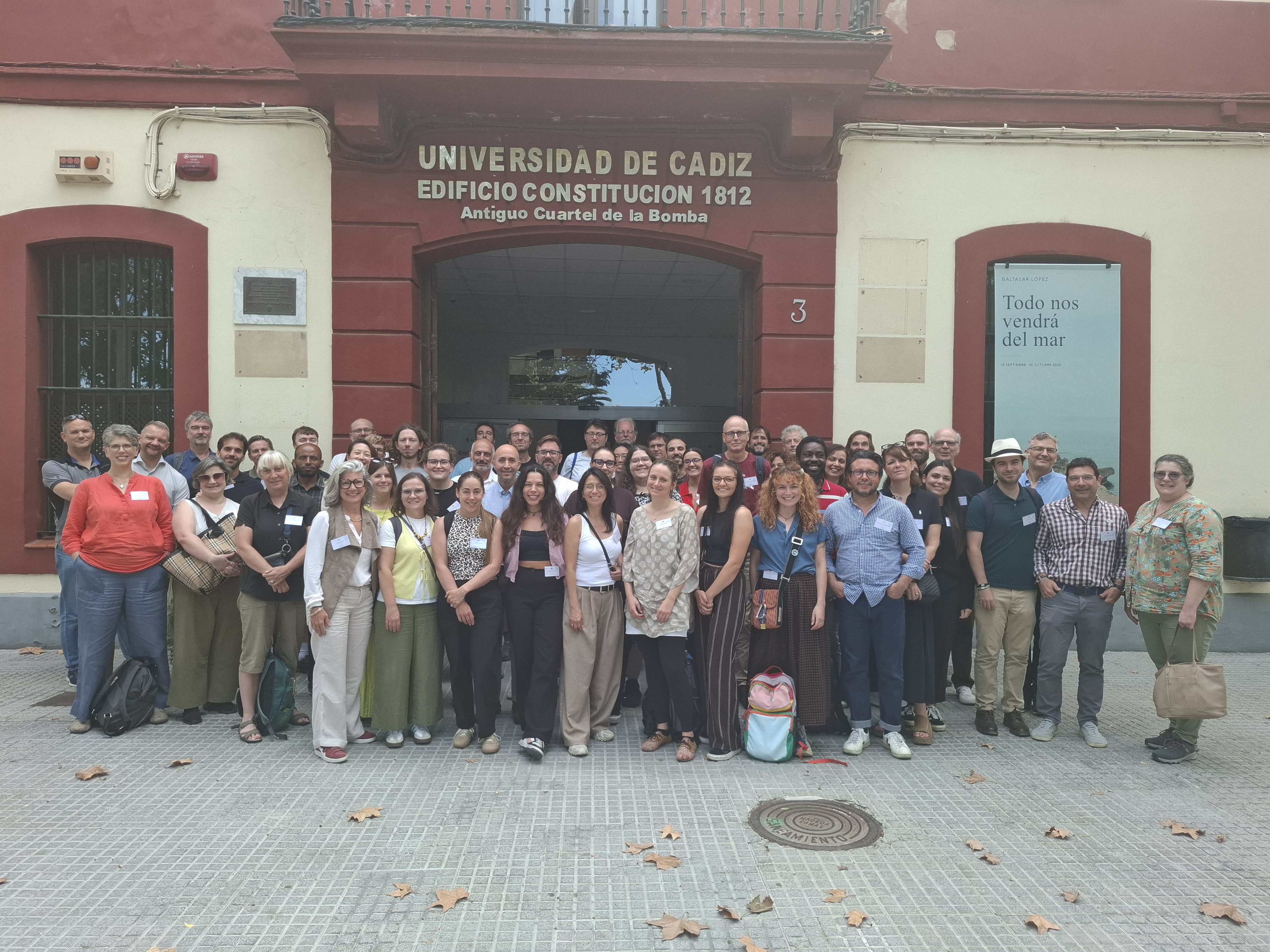
The REWRITE consortium gathered in Cádiz, Spain, from 6 to 8 October 2026 for its 3rd Annual Meeting, bringing together project partners from across Europe for three days of scientific exchange, collaboration, creativity and strategic planning. Hosted by the University of Cádiz, the meeting provided an important opportunity to review project achievements, discuss ongoing research activities and strengthen collaboration across disciplines working towards the restoration and rewilding of coastal ecosystems.
The Annual Meeting was preceded on 6 October by the Second Global Multi-Actor Laboratory, which brought together members of REWRITE's stakeholder and advisory communities for a full day of discussion and exchange. Participants explored future scenarios for coastal ecosystems, shared perspectives on opportunities and challenges for rewilding, and worked collectively on developing visions for more resilient and biodiverse coastal landscapes. The session provided valuable insights from multiple stakeholder groups and reinforced REWRITE's commitment to co-creation, inclusive dialogue and participatory approaches to ecosystem restoration.
Then on the 7-8th of October, the programme featured a rich mix of scientific presentations, workshops, roundtable discussions and networking activities. Researchers shared the latest findings from across the project's natural and social science activities, covering topics such as ecosystem dynamics, coastal protection, seagrass carbon assessment using satellite imagery, artificial intelligence applications for habitat monitoring, and narratives of environmental change. Participants also took part in interactive workshops focusing on interdisciplinary collaboration, research data publication and curation, academic career development, and scientific communication activities.
One of the highlights of the Annual Meeting was the opening of the SEASCAPES Exhibition at the ECCO Museum in Cádiz. Bringing together art, science and public engagement, the exhibition offers a unique exploration of coastal landscapes and humanity's relationship with the marine environment. The opening event attracted REWRITE partners, local stakeholders and invited guests, creating a vibrant space for dialogue across communities and disciplines.
The exhibition launch was further enriched by a live contemporary dance performance, which complemented the visual works on display and offered visitors an immersive and thought-provoking experience. Through artistic interpretation, the performance invited audiences to reflect on the ecological, cultural and social dimensions of coastal ecosystems and the transformative potential of rewilding.
Following the opening event, the SEASCAPES Exhibition officially opens to the public on 8 October 2026, providing local residents and visitors with an opportunity to engage with the themes and ideas emerging from the REWRITE project.
Another important feature of the Annual Meeting was the exhibition of the winning entries from the Rewilding through Art Competition. The selected artworks showcased inspiring and diverse interpretations of rewilding and ecosystem restoration, demonstrating the power of creative expression to communicate complex environmental challenges and opportunities. The winning pieces highlighted how artistic practice can help connect scientific knowledge with public imagination and engagement.
Beyond the scientific sessions and exhibition activities, the Annual Meeting provided valuable opportunities for networking and collaboration among consortium members. Discussions throughout the event focused on future research directions, upcoming project activities and ways to maximise the impact of REWRITE's outcomes across scientific, policy and societal communities.
The successful gathering in Cádiz demonstrated the strength of REWRITE's interdisciplinary approach and reinforced the project's commitment to combining research, creativity and stakeholder engagement to support more resilient and biodiverse coastal landscapes across Europe.